

Focaccia is that golden, olive oil–kissed masterpiece that seems to bring a little slice of Italy right into your kitchen. Starting with a simple mix of flour, water, yeast, and salt, this bread transforms into a fluffy, dimpled wonder that practically begs to be torn apart and savored while still warm. As the dough rises, it fills your home with a subtle murmuring of promise—a hint that soon you’ll be indulging in herb-scented bites that deliver the perfect balance of crisp crust and pillowy interior. Whether you’re a seasoned baker or a total novice, there’s a special kind of satisfaction in coaxing those bubbles to form and pressing your fingertips into the dough to create those trademark dimples. It’s like your own personal artwork, edible and utterly delicious!
Once the focaccia emerges from the oven, it’s an invitation to share. Guests gravitate toward its warm glow, reaching for the first square even before you’ve had a chance to plate it. Every drizzle of extra-virgin olive oil and every sprinkle of coarse sea salt or fresh rosemary adds a layer of character to each bite. The joy of serving homemade focaccia is in watching people pause, savor, and smile. From the crunch of the golden crust to the airy, springy chew inside, this bread effortlessly elevates any meal. Serve it alongside a steaming bowl of minestrone, use it to mop up vibrant pasta sauces, or simply pair it with a glass of your favorite wine. Every occasion feels more festive with a pan of fresh focaccia on the table.
KEY INGREDIENTS IN FOCACCIA BREAD HOMEMADE ITALIAN FOCACCIA BREAD
Before diving into the kneading and dimpling, let’s take a moment to appreciate the simple yet essential ingredients that come together to create this hearty Italian classic. Each component has its role, working in harmony to yield that soft crumb, crisp outer layer, and aromatic flair that make homemade focaccia irresistible.
- All-purpose flour
This versatile flour provides the structure and body of your focaccia. Its moderate protein content yields enough gluten development for a tender, elastic crumb that still holds the signature air pockets.
- Warm water
Warm water (around 110°F or 43°C) is key to activating the yeast, ensuring it starts bubbling and working its magic. It also helps hydrate the flour for smooth, pliable dough.
- Active dry yeast
The driving force behind our dough, active dry yeast ferments the sugars and releases carbon dioxide, creating a light, airy texture. A gentle proof in warm water confirms it’s alive and ready to expand the dough.
- Salt
Beyond flavor enhancement, salt regulates yeast activity and strengthens the gluten network. This ensures the dough rises evenly and gains a balanced taste.
- Olive oil
Two tablespoons of olive oil, plus extra for drizzling and greasing, contribute richness, tender crumb, and that unmistakable fruity aroma. It also helps crisp the crust during baking.
- Sugar
A touch of sugar jump-starts the yeast fermentation, giving you a reliable rise and a slightly golden hue in the finished bread.
- Coarse sea salt
Sprinkled on top, these crystals add bursts of salty crunch that punctuate every bite, elevating the subtle flavors within.
- Fresh rosemary (or other herbs)
The fragrant herb of choice imparts an earthy, pine-like scent, weaving a layer of brightness through the bread. Feel free to swap in basil, thyme, or oregano for your own herbaceous twist.
- Optional toppings
Sliced olives, cherry tomatoes, and garlic make playful additions, offering pops of color, flavor, and texture. Each one can turn a simple focaccia into a personalized masterpiece.
HOW TO MAKE FOCACCIA BREAD HOMEMADE ITALIAN FOCACCIA BREAD
Let’s roll up our sleeves and transform these ingredients into tender, golden focaccia. This step-by-step guide covers every stage, from activating the yeast to creating those iconic dimples and achieving a perfectly crisp exterior.
1. In a small bowl, combine the warm water, sugar, and active dry yeast. Stir gently until the sugar dissolves. Let the mixture sit for 5 to 10 minutes, or until it becomes frothy—a clear sign that the yeast is alive and bubbling with energy.
2. In a large mixing bowl, whisk together the all-purpose flour and salt. Create a well in the center, then pour in the yeast mixture and 2 tablespoons of olive oil. This method helps you incorporate wet and dry ingredients evenly.
3. Stir the mixture using a wooden spoon or your hands until the dough just comes together. If it feels too sticky, sprinkle in a bit more flour—just enough so it’s workable, but not overly dry.
4. Transfer the shaggy dough onto a lightly floured surface. Knead for 8–10 minutes until it’s smooth and elastic. If you prefer using a stand mixer, fit it with a dough hook and knead on low speed for the same amount of time.
5. Lightly oil a large bowl and place the dough inside, turning it once to coat with oil. Cover with a clean kitchen towel or plastic wrap, and let it rise in a warm spot for 1–2 hours, or until doubled in size.
6. Once the dough has doubled, punch it down gently to release trapped air. Transfer it to a greased 18×13-inch baking pan, spreading it out evenly.
7. Using your fingertips, press into the dough to create dimples all across the surface. These indentations hold pools of olive oil and toppings later on.
8. Drizzle generous streams of olive oil over the top, making sure it seeps into each dimple. Sprinkle with coarse sea salt and scatter fresh rosemary or herbs of your choice.
9. If you’re adding sliced olives, cherry tomatoes, or garlic, tuck them gently into the dough now, distributing them evenly.
10. Cover the pan again and let the dough rise for an additional 20–30 minutes while you preheat the oven to 425°F (220°C).
11. Bake the focaccia for 20–25 minutes, or until the top turns golden brown and the bottom sounds hollow when tapped.
12. Remove from the oven and allow it to cool for a few moments. Slice into squares or wedges, and serve warm with an extra drizzle of olive oil if you like.
SERVING SUGGESTIONS FOR FOCACCIA BREAD HOMEMADE ITALIAN FOCACCIA BREAD
When it comes to serving your homemade focaccia, the sky’s the limit. Its versatile flavor profile welcomes a range of accompaniments, from simple dips to elaborate spreads. Whether you’re hosting a casual gathering, elevating a weeknight dinner, or preparing a picnic basket, focaccia steals the show. Warm, herby slices paired with contrasting textures and tastes will have everyone asking for seconds. Below are four creative ways to plate and enjoy your bread, each delivering a memorable culinary experience.
- Classic Olive Oil Dip
Pour extra-virgin olive oil into a shallow bowl and add a splash of balsamic vinegar, a pinch of sea salt, and a grind of fresh black pepper. Tear the focaccia into rustic chunks and dip away to highlight the bread’s silky interior and crispy crust.
- Mediterranean Mezze Platter
Arrange focaccia alongside hummus, marinated olives, tzatziki, and feta cheese on a large board. The vibrant colors and varied textures make for a visually stunning and utterly shareable appetizer.
- Soup Companion
Serve warm focaccia with hearty soups like tomato basil, butternut squash, or minestrone. The bread is perfect for soaking up savory broths and adding an extra layer of comfort to your bowl.
- Gourmet Sandwich Base
Slice the focaccia horizontally and layer with prosciutto, fresh mozzarella, heirloom tomatoes, and a handful of arugula. Drizzle with olive oil and a pinch of sea salt for an Italian-inspired sandwich that’s satisfyingly big on flavor.
HOW TO STORE FOCACCIA BREAD HOMEMADE ITALIAN FOCACCIA BREAD
Preserving the freshness and flavor of your focaccia ensures every bite tastes just as delightful as the moment it came out of the oven. Because homemade focaccia lacks the preservatives found in store-bought varieties, it’s best enjoyed within a few days. With the right storage methods, you can maintain its soft crumb and aromatic crust. Below are tips to keep your focaccia in top condition, whether you’re enjoying it over the next few days or saving some for later use.
- Room-Temperature Storage
Wrap cooled focaccia tightly in plastic wrap or place it in an airtight container. Store at room temperature away from direct sunlight for up to 2–3 days. This method preserves the bread’s soft texture without letting it dry out.
- Refrigeration
If your kitchen tends to run warm, refrigerate the wrapped focaccia for up to 5 days. Before serving, bring it back to room temperature or warm it briefly in a 350°F (175°C) oven for 5–7 minutes to revive the crust.
- Freezing
Slice focaccia into individual portions and wrap each piece in plastic wrap, then place them in a freezer bag. Freeze for up to 3 months. To thaw, leave slices on the counter for an hour or warm them directly from frozen in a preheated oven.
- Reheating Tips
For the best texture, reheat focaccia in the oven rather than the microwave. Place slices on a baking sheet at 350°F (175°C) for 5–10 minutes, or until the edges become crisp and the interior is warmed through.
CONCLUSION
There’s something undeniably special about pulling a golden pan of homemade focaccia out of the oven. From the simple act of mixing flour, water, yeast, and salt to the final sprinkle of rosemary and sea salt, each step builds anticipation. This recipe is perfect for beginners and seasoned bakers alike, offering a friendly introduction to bread making that results in a loaf bursting with flavor and texture. Whether you’re hosting friends, pairing it with soups and salads, or using it as the canvas for gourmet sandwiches, your kitchen will feel immediately cozier and more vibrant.
Feel free to print this article and save it for future baking adventures. You can find a FAQ below to answer any lingering questions about techniques, substitutions, and troubleshooting. If you give this focaccia recipe a try or need a helping hand along the way, please leave your comments, questions, or feedback. Sharing your experiences—whether it’s a triumphant rise or a dough that needed a little extra love—helps build our community of home cooks. Happy baking, and may every slice of focaccia bring warmth and joy to your table!
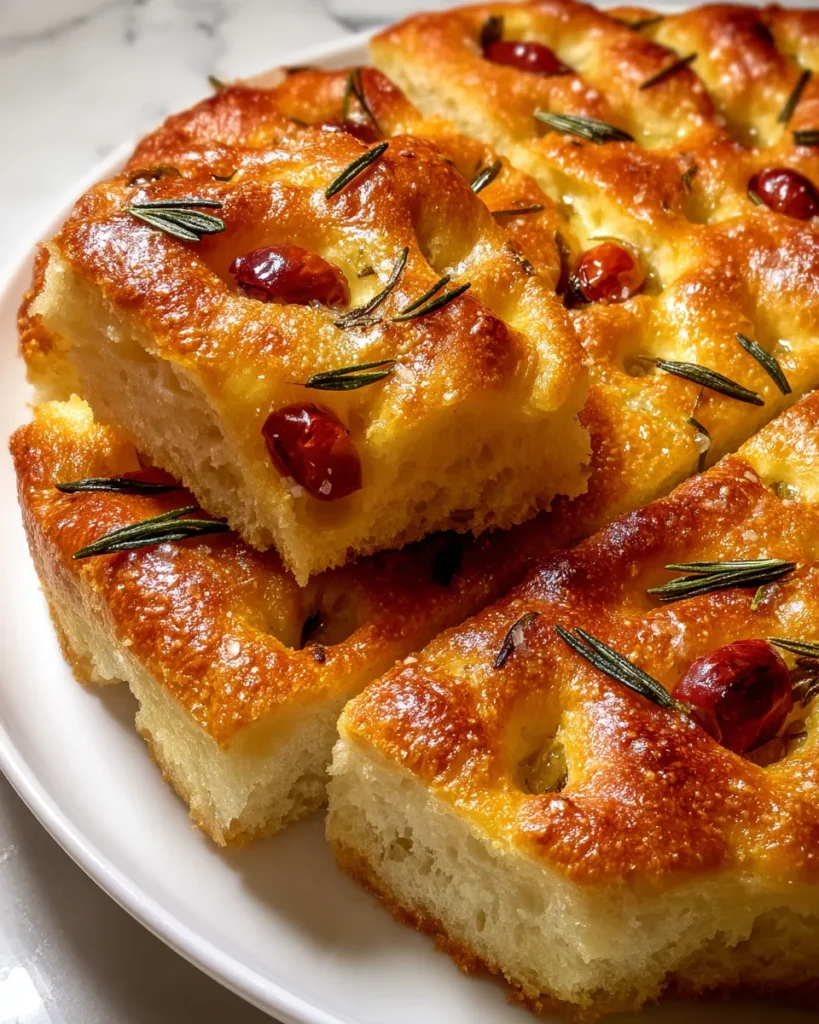

Focaccia Bread Homemade Italian Focaccia Bread
Description
This warm, homemade focaccia bursts with flavor from fresh herbs and a generous drizzle of olive oil. Its fluffy texture and golden crust make it an irresistible addition to any meal.
Ingredients
Instructions
-
In a small bowl, combine warm water, sugar, and yeast. Stir gently and let it sit for about 5 to 10 minutes, until it becomes frothy. This indicates the yeast is activated.
-
In a large mixing bowl, whisk together the flour and salt. Create a well in the center and pour in the yeast mixture along with 2 tablespoons of olive oil.
-
Stir the mixture using a wooden spoon or your hands until the dough starts to come together. If it's too sticky, you can add a bit more flour, but be cautious not to add too much.
-
Transfer the dough to a floured surface and knead it for about 8-10 minutes until it becomes smooth and elastic. You can also use a stand mixer with a dough hook for this process.
-
Lightly oil a large bowl and place the dough in it, turning it to coat with oil. Cover it with a clean kitchen towel or plastic wrap, and let it rise in a warm area for 1-2 hours or until it has doubled in size.
-
After the dough has risen, punch it down to release the air. Transfer it to a greased baking sheet or a large baking pan (approximately 18x13 inches).
-
Using your fingers, gently stretch the dough to fit the pan, creating dimples all over the surface. This gives the focaccia its characteristic texture.
-
Drizzle olive oil generously over the top of the dough, making sure to get into the dimples. Sprinkle coarse sea salt and fresh rosemary (or your chosen herbs) to taste.
-
If using optional toppings like olives or tomatoes, scatter them over the surface of the dough now.
-
Cover the dough again and let it rise for an additional 20-30 minutes, while you preheat your oven to 425°F (220°C).
-
Bake the focaccia in the preheated oven for 20-25 minutes or until it is golden brown on top and sounds hollow when tapped on the bottom.
-
Once done, remove it from the oven and let it cool down for a few minutes. Cut into squares or wedges and serve warm, drizzled with more olive oil if desired.
Note
- Focaccia can be stored in an airtight container for up to 3 days or frozen for longer storage.
- Experiment with different toppings like caramelized onions, cheese, or various herbs to create your unique version.
- For a more intense flavor, infuse the olive oil with garlic or more herbs before drizzling it on the dough.

