

These Tender Sourdough Discard Dumplings are soft, billowy morsels crafted from tangy sourdough discard, steamed to pillow-like perfection and speckled with bright green chives. They dissolve on your tongue with a gentle sourdough whisper, carrying buttery warmth that makes every spoonful a delight. Perfect for floating atop a hearty bowl of seasoned broth, these dumplings turn any dinner into a comforting feast you won’t want to miss.
Key Ingredients
Let’s gather the essentials that make these dumplings so irresistible:
- 1 cup sourdough discard: Provides tangy flavor and moisture, working with baking powder to give each dumpling lift and tenderness.
- 1 cup all purpose flour: Forms the structure of the dumplings, yielding a soft, pillowy bite.
- 1 teaspoon baking powder: Acts as the leavening agent, creating light, airy dumplings.
- 1/2 teaspoon salt: Balances flavors and enhances the natural tang of the sourdough.
- 2 tablespoons cold unsalted butter: Adds richness and creates flaky pockets when cut into the dry mix.
- 1/2 cup milk: Binds the dough and contributes to its tender crumb.
- 1 tablespoon chopped fresh chives: Lends a fresh, oniony pop that brightens each bite.
How To Make Tender Sourdough Discard Dumplings
Creating these dumplings is straightforward and perfect for cooks who love a bit of hands-on fun. You’ll move from whisking dry ingredients to cutting in butter, then gently folding in the sourdough discard and chives before steaming everything into pillowy perfection. Follow the steps below to see your dumplings transform from simple dough to light, fluffy clouds ready to float in your favorite broth.
1. In a medium bowl whisk together the flour, baking powder, and salt until evenly combined.
2. Cut the cold butter into small cubes, then use a pastry cutter or fork to work it into the dry mix until it resembles coarse crumbs.
3. Stir in the sourdough discard and milk just until a soft dough forms; be careful not to overmix or the dumplings will toughen.
4. Gently fold in the chopped chives to distribute them without deflating your dough.
5. Bring 4 cups of lightly salted broth or boiling water to a gentle simmer in a large covered pot.
6. Drop spoonfuls of dough (about 1 tablespoon each) onto the surface of the simmering liquid, spacing them about 1 inch apart.
7. Cover the pot tightly and reduce heat to low; steam dumplings for 12 to 15 minutes until they puff up and are cooked through.
8. Remove the lid briefly to test one dumpling for doneness; if it’s still raw inside, cover and cook 2 to 3 minutes longer.
9. Serve immediately with soups, stews, or gravies for maximum comfort and flavor.
Serving Suggestions
These dumplings shine in many cozy meals. Whether you’re spooning them into a bowl of steaming broth or pairing them with a rich sauce, their tender texture and subtle tang are the star of the show. Here are four tasty ways to serve your sourdough tosses of joy:
- Serve them in a bowl of homemade chicken broth with shredded chicken and fresh herbs for a classic comfort dish.
- Float dumplings atop a creamy mushroom stew, letting them soak up earthy flavors and creamy sauce.
- Drizzle with garlic herb butter and sprinkle with extra chives for an elegant side that pairs wonderfully with roasted meats.
- Accompany them with a bowl of tomato bisque, balancing tangy-sweet soup with soft, savory dumplings.
Tips For Perfect Tender Sourdough Discard Dumplings
Getting that picture-perfect, fluffy texture comes down to a few simple tricks and mindful handling. With each tip below, you’ll ensure your dumplings rise just right and stay light as air.
- Handle dough gently and avoid overmixing to keep dumplings tender.
- Use broth for added flavor or plain water for a neutral base—both options steam beautifully.
- Leftover dumplings can be stored in an airtight container in the refrigerator for up to 2 days without losing their bounce.
- Reheat dumplings by simmering briefly in broth or steaming to restore their light texture before serving.
How To Store It
Once your dumplings have performed their supportive role in soups and stews, you’ll want to keep any extras fresh and ready to enjoy again. Store them properly to maintain that delicate, tender interior and the subtle tang of sourdough. Here are the best ways to preserve your dumplings:
- Place cooled dumplings in an airtight container in the refrigerator for up to 2 days, preventing them from drying out.
- To reheat, gently simmer them in broth or steam over simmering water for a few minutes until warmed through and pillowy once more.
Frequently Asked Questions
Here are answers to the most common questions about these cloud-like dumplings:
- How long does it take to prepare and cook these tender sourdough discard dumplings?
It takes about 15 minutes to prepare the dough—whisking the flour mixture, cutting in cold butter, and gently stirring in sourdough discard and milk—plus 12 to 15 minutes of steaming the dumplings in simmering liquid. From start to finish you’re looking at roughly 30 minutes.
- Why is it important not to overmix the dumpling dough?
Overmixing develops gluten in the flour, which can make dumplings tough rather than light and tender. Stir just until the dough comes together, then gently fold in chives so the dumplings remain fluffy.
- Can I use water instead of broth, and does type of broth matter?
Yes, you can use plain boiling water for a neutral base, but a lightly salted chicken, vegetable, or beef broth adds extra flavor. Just keep the liquid at a gentle simmer so the dumplings steam instead of boiling vigorously.
- How can I tell when the dumplings are fully cooked?
After 12 to 15 minutes of covered steaming, briefly lift the lid and test one dumpling by pressing it lightly or cutting it in half. The interior should be springy and free of raw dough. If it feels dense or wet, recover the pot and steam for an additional 2 to 3 minutes.
- What are the best ways to store and reheat leftover dumplings?
Store cooled dumplings in an airtight container in the refrigerator for up to two days. To reheat, gently simmer them in broth or steam them for a few minutes until warmed through, which helps them regain their light, tender texture.
- Can I customize the flavor of these dumplings with additional herbs or spices?
Absolutely. Feel free to stir in up to one tablespoon of chopped parsley, dill, or tarragon alongside the chives. A pinch of garlic powder, onion powder, or a sprinkle of grated Parmesan can also enhance the flavor without altering the basic recipe.
- Is it possible to freeze these dumplings for longer storage?
Yes. Flash-freeze fully cooked and cooled dumplings in a single layer on a baking sheet, then transfer to a freezer-safe bag or container for up to one month. Reheat directly from frozen by steaming them in simmering broth for 8 to 10 minutes until heated through.
What Makes This Special
What truly sets these dumplings apart is their use of sourdough discard, turning what might be pantry waste into the softest, tangiest clouds you’ll ever scoop. The combination of fresh chives, buttery pockets, and gentle steaming transforms simple ingredients into a memorable dish that elevates any bowl of soup or stew. Feel free to print this article, tuck it into your recipe binder, and come back whenever you crave a little pillowy comfort. Let me know how your first batch turns out—questions, comments, and feedback are always welcome!
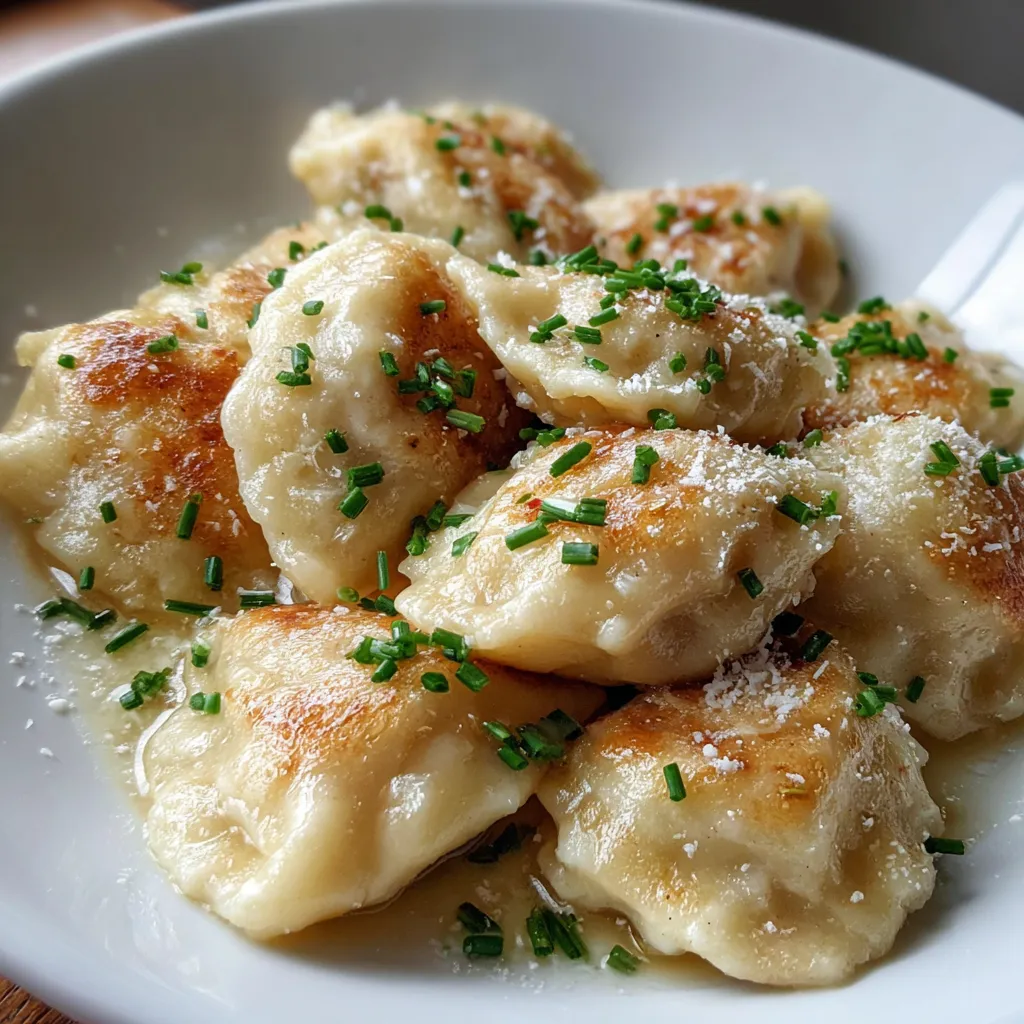

Tender Sourdough Discard Dumplings
Description
These feather-light dumplings dissolve on your tongue with a tangy sourdough whisper. Steamed to pillowy perfection, they carry buttery warmth and flecks of fresh chive, ideal for floating in a hearty bowl of seasoned broth.
Ingredients
Instructions
-
In a medium bowl whisk together flour baking powder and salt.
-
Cut cold butter into small cubes and use a pastry cutter or fork to work into the dry ingredients until mixture resembles coarse crumbs.
-
Stir in sourdough discard and milk just until a soft dough forms; do not overmix.
-
Gently fold in chopped chives.
-
Bring 4 cups of lightly salted broth or boiling water to a simmer in a large covered pot.
-
Drop spoonfuls of dough (about 1 tablespoon each) onto the surface of the simmering liquid, spacing about 1 inch apart.
-
Cover pot tightly and reduce heat to low; steam dumplings for 12 to 15 minutes until puffed and cooked through.
-
Remove lid briefly to test one dumpling for doneness; if dough is still raw inside cover and cook 2 to 3 minutes longer.
-
Serve immediately with soups stews or gravies.
Note
- Handle dough gently and avoid overmixing to keep dumplings tender.
- Use broth for added flavor or plain water for a neutral base.
- Leftover dumplings can be stored in an airtight container in the refrigerator for up to 2 days.
- Reheat dumplings by simmering briefly in broth or steaming to restore their light texture.

