

Herb Buttermilk Marinated Turkey Breast transforms a simple dinner into a treat. I’d often skip turkey breast, but after I soaked it in this bright herbal buttermilk marinade, I knew it was a keeper. The mountainous flavors from rosemary, thyme, sage, garlic, and a zesty twist of lemon zest sneak into every slice, sealing in juiciness and delivering golden, crisp edges. Whether you’re hosting a cozy dinner or craving extra-delicious leftovers, this recipe promises crowds of happy taste buds and minimal effort. Ready to dive in?
Key Ingredients
Before you begin, gather these simple, flavor-packed ingredients to create the perfect marinade and roast:
- 2 cups buttermilk: Tangy and creamy base that tenderizes the turkey and infuses it with moisture.
- 2 tablespoons fresh rosemary, chopped: Fragrant herb adding piney, woodsy notes.
- 2 tablespoons fresh thyme, chopped: Earthy aromatic that deepens savory complexity.
- 2 tablespoons fresh sage, chopped: Warm, peppery flavor intensifying the herb blend.
- 4 cloves garlic, minced: Pungent aromatics that boost savory richness.
- 1 tablespoon lemon zest: Bright citrus punch cutting through richness.
- 1 teaspoon salt: Essential seasoning that elevates all other flavors.
- 1 teaspoon black pepper: Subtle heat that highlights the herbs.
- 1 whole turkey breast (about 3 lb): Lean centerpiece that soaks up every herb-infused drop.
- 2 tablespoons olive oil: Coating oil that promotes a crisp, golden exterior when roasting.
How To Make Herb Buttermilk Marinated Turkey Breast
Let’s walk through how to transform that humble turkey breast into a succulent centerpiece. This process is all about allowing the creamy buttermilk and fresh herbs to work their magic, then roasting to golden perfection. With just a few prep steps and some patience while it marinates, you’ll end up with tender, flavor-packed meat that’s easy to slice and serve.
1. In a large bowl, whisk together 2 cups of buttermilk with chopped rosemary, thyme, sage, minced garlic, lemon zest, salt, and black pepper until smoothly combined.
2. Place the turkey breast in a resealable plastic bag or airtight container, then pour the marinade over it, making sure every surface is coated.
3. Seal the bag or cover the container tightly and refrigerate for at least 8 hours or up to 24 hours to let the flavors fully penetrate.
4. About 30 minutes before roasting, preheat your oven to 375°F (190°C) with a rack positioned in the center.
5. Remove the turkey from the marinade, letting excess drip off, and pat it dry thoroughly with paper towels to encourage even browning.
6. Set the turkey breast on a roasting rack inside a roasting pan, then brush the entire surface evenly with olive oil.
7. Roast until the internal temperature reaches 165°F (74°C), about 1 hour 30 minutes, turning the pan once for consistent browning.
8. Remove the turkey from the oven, tent it loosely with foil, and let rest for 15 minutes before slicing—this keeps every bite juicy.
Serving Suggestions
Now that your turkey breast is perfectly roasted, it’s time to think about plating and pairing. Whether you’re going for festive flair or a cozy weeknight meal, these serving ideas will elevate every slice:
- Classic holiday platter: Arrange warm slices on a large platter, garnish with extra herb sprigs and lemon wedges for a festive touch.
- Hearty turkey sandwiches: Pile thin slices onto crusty bread with mayo, crisp lettuce, and leftover lemon zest for a satisfying lunch.
- Turkey salad twist: Chop cooled turkey into cubes, toss with mixed greens, dried cranberries, toasted nuts, and a drizzle of olive oil.
- Family-style buffet: Place the whole carved breast in the center of the table alongside bowls of sides—guests can help themselves to juicy slices.
Tips For Perfect Herb Buttermilk Marinated Turkey Breast
I’ve learned a few tricks from countless weekend feasts and holiday gatherings that make this recipe shine every time. A little planning and attention to detail go a long way toward mouthwatering results.
- Marinate the turkey breast up to 24 hours for maximum tenderness and flavor.
- Use low-fat buttermilk for a lighter marinade without sacrificing moisture.
- Reserve a few tablespoons of the marinade (before adding raw meat) for basting during roasting.
- Letting the turkey rest under foil helps retain juices and makes slicing easier.
How To Store It
Leftovers shouldn’t go to waste—and with turkey this juicy, you’ll want to savor every bit. Follow these storage methods to keep your turkey fresh and flavorful:
- Store in an airtight container in the refrigerator for up to 3–4 days, ensuring the meat cools completely before sealing.
- Freeze portions by wrapping slices tightly in plastic wrap and placing them in a freezer bag for up to 3 months—thaw overnight in the fridge.
- Reheat gently by placing turkey in a covered baking dish with a splash of chicken broth at 325°F (160°C) until warmed through to maintain moisture.
- Label each container with the date to keep track of freshness and use the oldest portions first for best flavor.
Frequently Asked Questions
Have a question? Here are the answers to the most common queries about this marinated turkey recipe:
- How long should I marinate the turkey breast for optimal flavor and tenderness?
You should marinate the turkey breast for at least 8 hours and up to 24 hours. This extended period allows the buttermilk’s acidity to tenderize the meat and the herbs to infuse their flavors deeply. Marinating overnight (12–24 hours) yields the best results in terms of juiciness and taste.
- Can I substitute dried herbs for the fresh rosemary, thyme, and sage?
Yes, you can use dried herbs if fresh ones aren’t available. Reduce the amount by about one-third since dried herbs are more concentrated. Use 1 tablespoon dried rosemary, 1 tablespoon dried thyme, and 1 tablespoon dried sage. Crush the dried herbs between your fingers before adding to release their oils.
- How can I tell when the turkey breast is fully cooked?
The most reliable method is using a meat thermometer. Insert it into the thickest part of the breast; it should read 165°F (74°C). Once it reaches that temperature, remove the turkey and tent it with foil. Resting the meat for 15 minutes allows carryover cooking to finish and the juices to redistribute.
- Is it possible to use a boneless turkey breast or turkey tenderloins instead?
You can use boneless turkey breast, but cooking times may be shorter because the meat is thinner. Start checking the internal temperature after about 50 minutes of roasting. Turkey tenderloins are smaller and will cook even faster—monitor them closely and remove at 165°F (74°C) to prevent dryness.
- What type of buttermilk should I use, and can I make a substitute?
Low-fat or whole buttermilk both work well; low-fat yields a lighter result but still provides the same tenderizing benefits. If you don’t have buttermilk, combine 1¾ cups milk (dairy or unsweetened plant-based) with ¼ cup lemon juice or white vinegar, let it sit for 5–10 minutes, then use as directed.
- Should I reserve marinade for basting, and can I use it as a sauce?
Reserve 2–3 tablespoons of the marinade before adding the raw turkey for basting. Brush it on the meat about halfway through roasting to boost flavor and moisture. Do not use the raw marinade as a sauce. Instead, simmer any leftover reserved marinade to kill bacteria and thicken it slightly if you wish to serve it alongside.
- How should I store and reheat leftovers to maintain moisture?
Once cooled, slice the turkey and store it in an airtight container in the refrigerator for up to 3–4 days. To reheat, place slices in a covered baking dish with a splash of chicken broth or reserved cooking juices at 325°F (160°C) until warmed through. This prevents drying out and keeps the meat succulent.
What Makes This Special
This Herb Buttermilk Marinated Turkey Breast is the ultimate flavor hack—tangy buttermilk meets fragrant rosemary, thyme, and sage to create juicy, herb-kissed meat with golden, crisp edges. The long marinating time means you’ll unlock tender, melt-in-your-mouth slices that impress every time. I love that it’s beginner-friendly yet delivers gourmet results, making it perfect for both weeknight dinners and festive gatherings. Feel free to print this article and save it for later; I’d love to hear how your turkey turns out, so drop a comment or question below if you need any help or just want to share your feast!
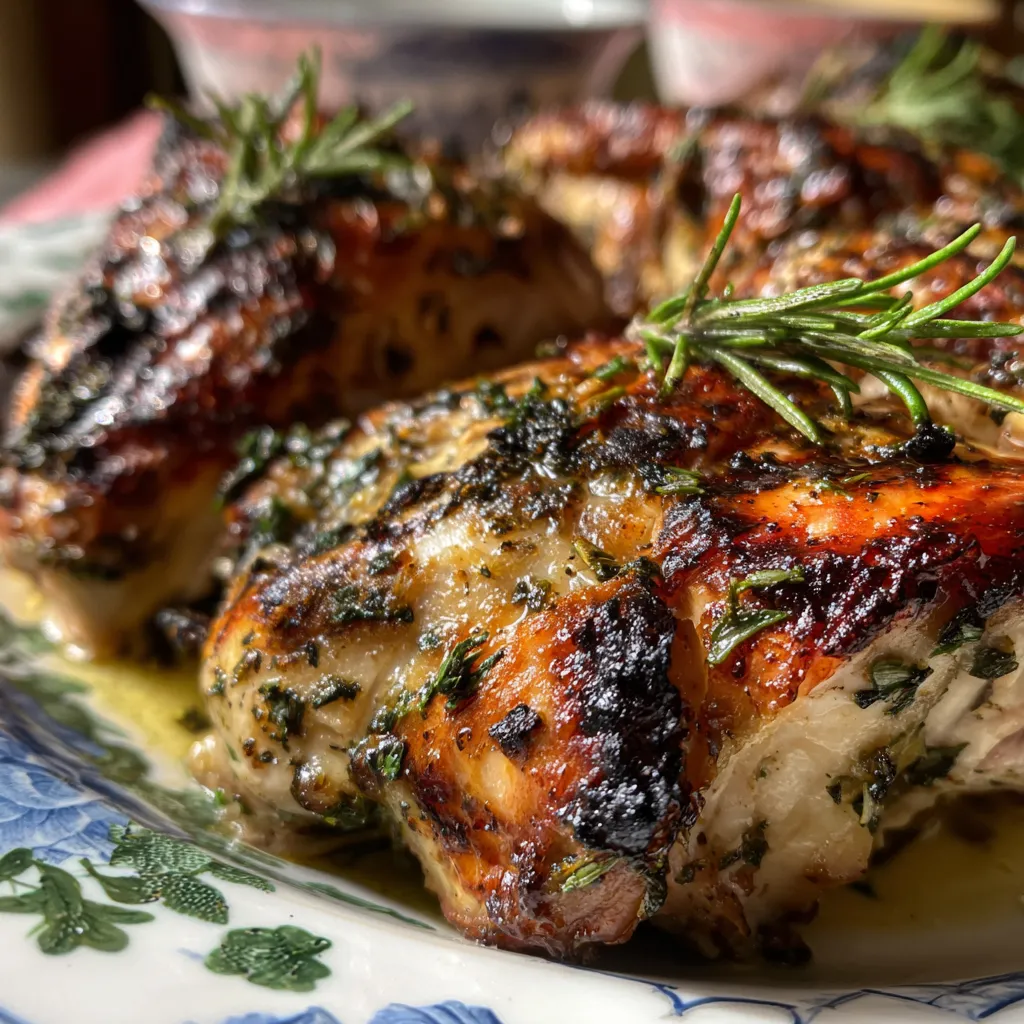

Herb Buttermilk Marinated Turkey Breast
Description
A creamy buttermilk marinade enriched with rosemary, thyme, sage, garlic, and lemon zest seeps deep into turkey breast, ensuring juicy, herb-infused meat with crisp, golden roasting edges.
Ingredients
Instructions
-
In a large bowl whisk together buttermilk, rosemary, thyme, sage, garlic, lemon zest, salt, and black pepper.
-
Place the turkey breast in a resealable plastic bag or airtight container and pour the marinade over it.
-
Seal the bag or cover the container and refrigerate for at least 8 hours or up to 24 hours.
-
Preheat the oven to 375°F (190°C) about 30 minutes before roasting.
-
Remove the turkey breast from the marinade, allowing excess to drip off, and pat it dry with paper towels.
-
Place the turkey breast on a roasting rack set inside a roasting pan and brush evenly with olive oil.
-
Roast in the preheated oven until the internal temperature reaches 165°F (74°C), about 1 hour 30 minutes, turning the pan once for even browning.
-
Remove the turkey breast from the oven, tent with foil, and let rest for 15 minutes before slicing.
Note
- Marinate the turkey breast up to 24 hours for maximum tenderness and flavor.
- Use low-fat buttermilk for a lighter marinade without sacrificing moisture.
- Reserve a few tablespoons of the marinade (before adding raw meat) for basting during roasting.
- Letting the turkey rest under foil helps retain juices and makes slicing easier.

